
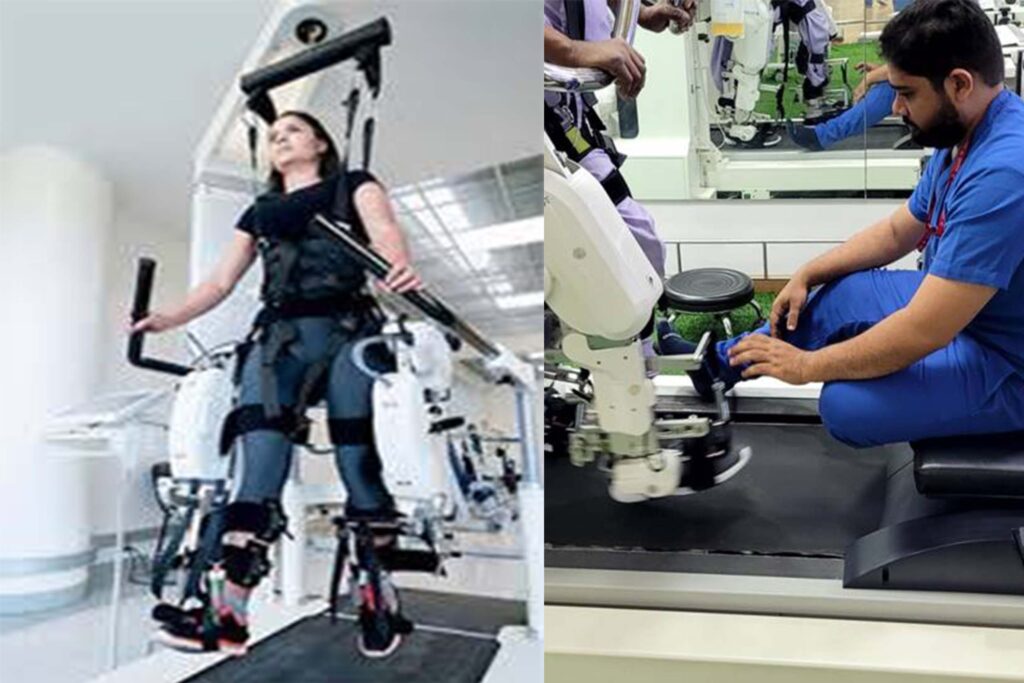






The field of physiotherapy is undergoing a transformative shift with the integration of robotics and artificial intelligence (AI). These cutting-edge technologies are redefining how physiotherapists assess, treat, and monitor patients, opening new possibilities for personalized and efficient care. From robotic exoskeletons to AI-powered diagnostics, the future of rehabilitation is here—and it’s powered by innovation.
The Role of Robotics in Physiotherapy
Robotic systems are making significant strides in physiotherapy by assisting patients in performing movements that were once difficult or impossible. Devices such as robotic exoskeletons and assistive robots are designed to support motor functions, enabling patients with neurological or musculoskeletal impairments to regain mobility.
Robotic Exoskeletons: These wearable devices help patients with spinal cord injuries, stroke, or other mobility challenges to stand, walk, and even climb stairs. By providing precise, controlled support, they facilitate rehabilitation and improve patient confidence.
Robotic Rehabilitation Devices: Machines like Lokomat and Armeo are tailored for gait and arm therapy, respectively.
They offer repetitive, consistent movement training that accelerates recovery and reduces the workload on therapists.
AI in Assessment and Treatment
Artificial intelligence is revolutionizing the way physiotherapists evaluate and treat patients. AI-driven tools analyze data to provide detailed insights into a patient’s condition, enabling more accurate diagnoses and tailored treatment plans. Key applications include:
AI-Powered Diagnostics: AI algorithms process imaging data, motion capture, and wearable sensor outputs to detect abnormalities and monitor progress. This allows for early intervention and more precise tracking of recovery milestones.
Personalized Treatment Plans: By analyzing patient-specific data, AI can recommend exercises and therapies that are most effective for individual needs, enhancing treatment outcomes.
Virtual Rehabilitation Tools: AI-driven platforms, such as virtual reality (VR) systems, create immersive environments for patients to perform therapeutic exercises. These tools not only engage patients but also provide real-time feedback to improve technique and effectiveness.
Benefits of Robotics and AI in Physiotherapy
The integration of robotics and AI in physiotherapy offers numerous advantages, including:
Enhanced Precision: Robotics ensure accurate, consistent movement during therapy sessions, reducing the risk of human error.
Personalized Care: AI enables therapists to customize treatment plans based on detailed data analysis, addressing unique patient needs.
Improved Efficiency: By automating repetitive tasks, these technologies free up therapists to focus on complex aspects of care.
Motivational Support: Interactive tools and real-time progress tracking keep patients engaged and motivated throughout their rehabilitation journey.
‘
Challenges and Considerations
Despite their potential, the adoption of robotics and AI in physiotherapy comes with challenges:
Cost: Advanced technologies can be expensive, making them less accessible to smaller clinics and patients with limited resources.
Training and Adaptation: Therapists need specialized training to effectively use these tools, which may require time and investment.
Ethical Concerns: The use of AI raises questions about data privacy, patient consent, and the potential for over-reliance on technology.
Shaping the Future of Physiotherapy
As robotics and AI continue to evolve, their role in physiotherapy is expected to grow. Future advancements may include fully autonomous robotic systems, AI-driven tele-rehabilitation platforms, and integration with other disciplines to provide holistic care. These innovations promise to make rehabilitation more accessible, efficient, and effective for patients worldwide.
In conclusion, the entrance of robotics and AI into physiotherapy marks a new era in rehabilitation science. While challenges remain, the potential benefits far outweigh the drawbacks, offering hope and improved outcomes for patients and practitioners alike. The future of physiotherapy is not just hands-on; it’s tech-enabled and boundary-pushing, ready to redefine what’s possible in rehabilitation.