


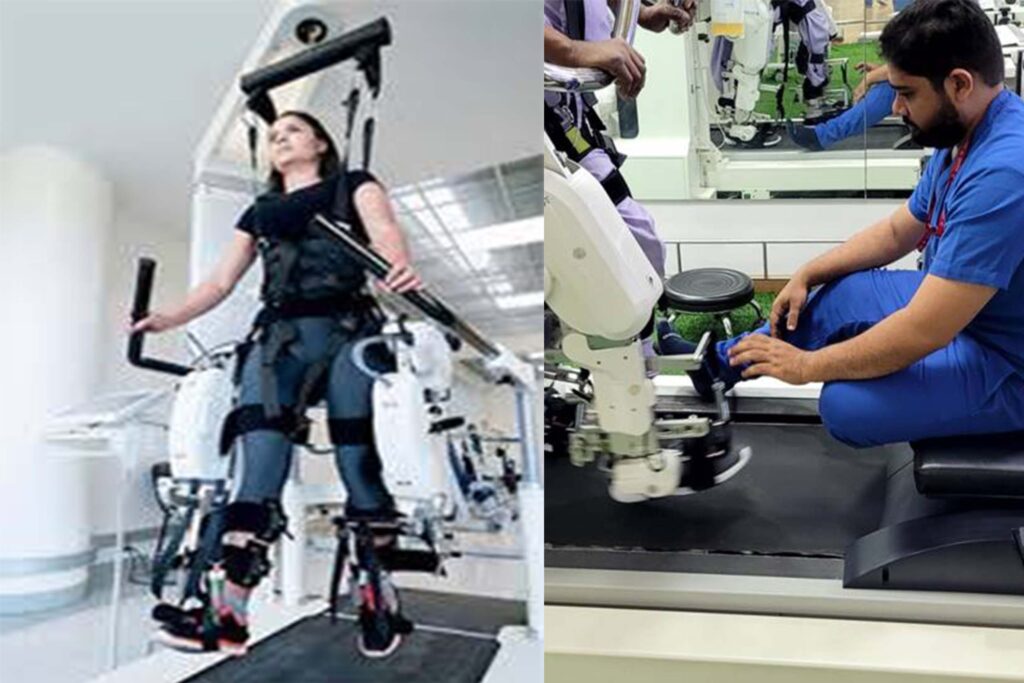




Physiotherapy plays a pivotal role in enhancing the lives of individuals with disabilities by focusing on restoring movement, alleviating pain, and optimizing functional independence. This specialized healthcare discipline employs a multifaceted approach to address the unique needs of each individual.
1.Therapeutic Exercises: Building Strength and Function
- Strength Training: Exercises designed to increase muscle strength and endurance are crucial for individuals with disabilities. For example, progressive resistance exercises can significantly enhance upper extremity strength in individuals with spinal cord injuries, facilitating independent transfers and wheelchair propulsion.
- Flexibility and Range of Motion: Techniques such as stretching and joint mobilization are vital for maintaining flexibility and improving joint range of motion. This is particularly important for individuals with conditions like arthritis, where stiffness and limited movement can significantly impact daily activities.
- Balance and Coordination: Exercises that challenge balance and coordination, such as static and dynamic balance exercises and proprioceptive neuromuscular facilitation.
- (PNF) techniques, can improve stability and reduce the risk of falls.
2.Manual Therapy: Addressing Musculoskeletal Impairments
- Mobilization and Manipulation: These techniques involve gentle, controlled movements of joints to improve range of motion, reduce pain, and alleviate stiffness.
- Myofascial Release: This technique focuses on releasing tension in the soft tissues, such as muscles and fascia, to improve flexibility and reduce pain.
- Massage Therapy: Massage can help to reduce muscle tension, improve circulation, and alleviate pain.
3.Electrotherapeutic Modalities: Utilizing Technology for Healing
- Transcutaneous Electrical Nerve Stimulation (TENS): TENS utilizes mild electrical currents to modulate pain signals and provide pain relief.
- Ultrasound Therapy: Ultrasound therapy uses high-frequency sound waves to promote tissue healing, reduce inflammation, and alleviate pain.
- Electrical Muscle Stimulation (EMS): EMS stimulates muscle contractions, which can be beneficial for strengthening weakened muscles and improving muscle function.
4.Aquatic Therapy: Harnessing the Power of Water
Aquatic therapy provides a unique environment for rehabilitation, utilizing the buoyancy and resistance of water to facilitate movement and reduce the impact on joints. This modality is particularly beneficial for individuals with arthritis, multiple sclerosis, and other conditions characterized by pain and limited weightbearing capacity. Water-based exercises can improve cardiovascular fitness, enhance range of motion, and improve overall functional mobility.
5.Research and Evidence-Based Practice
Numerous research studies have demonstrated the efficacy of physiotherapy interventions in improving various aspects of health and well-being in individuals with disabilities. A meta-analysis published in the Cochrane Database of Systematic Reviews (Page et al., 2016) found strong evidence for the effectiveness of physiotherapy in improving walking speed, balance, and quality of life in individuals with Parkinson’s disease.
Furthermore, a study published in the Journal of Rehabilitation Medicine (Kwakkel et al., 2004) demonstrated that early and intensive physiotherapy interventions can significantly improve functional outcomes in individuals with stroke.

Conclusion
Physiotherapy plays an indispensable role in enhancing the quality of life for individuals with disabilities. By employing a comprehensive and individualized approach that addresses specific needs and goals, physiotherapy can effectively improve physical function, reduce pain, and promote greater independence and participation in society. Continued research and advancements in physiotherapy techniques will undoubtedly further enhance the impact of this vital healthcare discipline in improving the lives of people with disabilities.
References:
- Page, S. J., Morris, M. E., & Barker, R. A. (2016). Physiotherapy interventions for people with Parkinson’s disease. Cochrane Database of Systematic Reviews, (1).
- Kwakkel, G., Kollen, B. J., Krebs, H. I., & Wagenaar, R. C. (2004). Effectiveness of constraint-induced movement therapy in the chronic phase of stroke: a meta-analysis. Journal of Rehabilitation Medicine, 36(4), 254-264.
-SANAT RISHI GUPTA
BPT 3RD Year